
How Does Solar Power Work
How Does Solar Power Work in Australia?
Solar power is one of the fastest-growing energy solutions in Australia. With abundant sunshine across the country, solar energy allows households and businesses to generate clean electricity directly from sunlight. By installing solar panels on rooftops, Australians can reduce electricity bills, lower carbon emissions, and become less dependent on the traditional power grid.
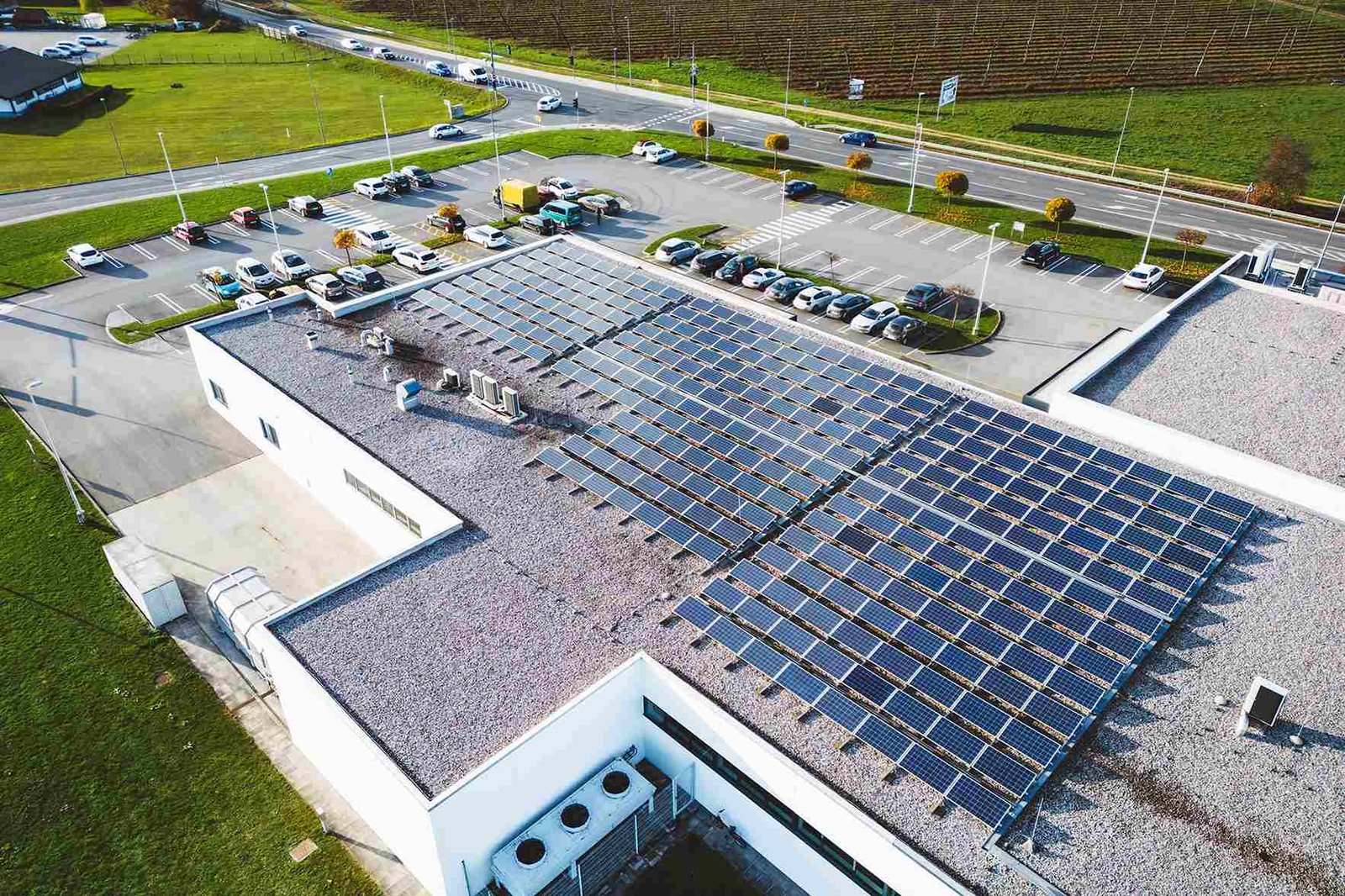
A solar power system works by capturing sunlight through photovoltaic (PV) panels and converting it into usable electricity for homes and businesses. This electricity can power appliances, lighting, air conditioning systems, and other electrical devices.
- WHY CHOOSE US
Key Components of a Solar Power System
A residential solar system includes several essential components that work together to produce and manage electricity.
Solar Panels
Solar panels are installed on rooftops or open areas where they receive maximum sunlight. Each panel contains photovoltaic cells that convert sunlight into direct current (DC) electricity. These panels are designed to be durable and weather-resistant, typically lasting 25 years or more.
Solar Inverter
The electricity generated by solar panels is direct current (DC). However, homes use alternating current (AC) electricity. A solar inverter converts DC electricity into AC electricity so it can be used by household appliances.
Electricity Meter
A solar meter tracks how much electricity your system produces and how much energy is exported back to the grid. This helps measure the energy savings generated by the solar system.
Solar Battery (Optional)
A solar battery stores excess energy generated during the day so it can be used later at night or during peak electricity periods. Battery systems increase energy independence and allow homeowners to rely more on solar power.
Step-by-Step: How Solar Power Generates Electricity
Understanding the process of solar energy generation helps homeowners see how their system works every day.
Sunlight Hits the Solar Panels
Solar panels capture sunlight and convert it into DC electricity through photovoltaic cells.
Electricity Flows to the Inverter
The DC electricity produced by the panels is sent to the solar inverter.
Conversion to Usable Electricity
The inverter converts DC electricity into AC electricity, which is compatible with household appliances.
Powering Your Home
The electricity generated by the solar system powers lights, appliances, and other devices in your home.
Excess Electricity is Exported
If your solar system produces more electricity than your home consumes, the excess energy can be sent back to the grid or stored in a solar battery.